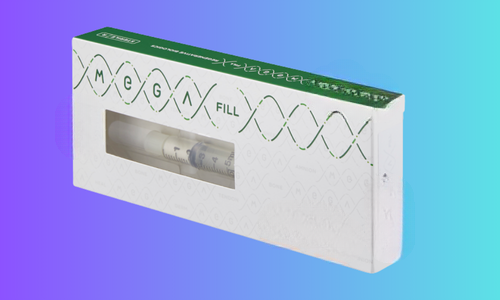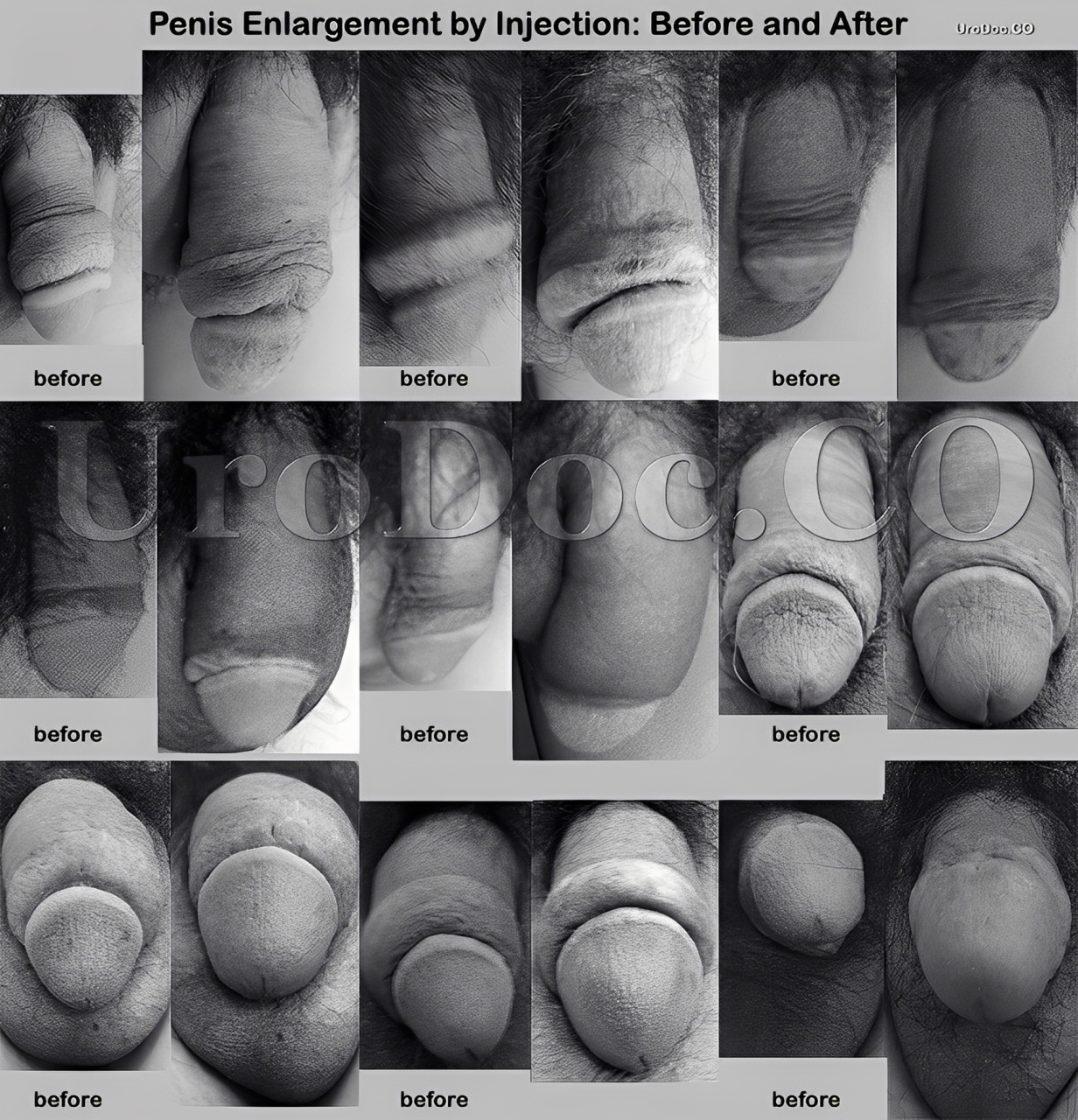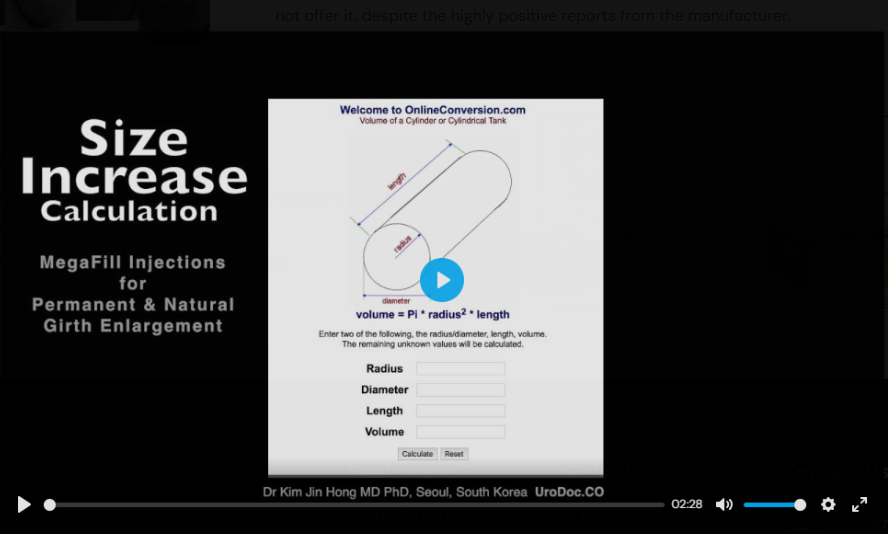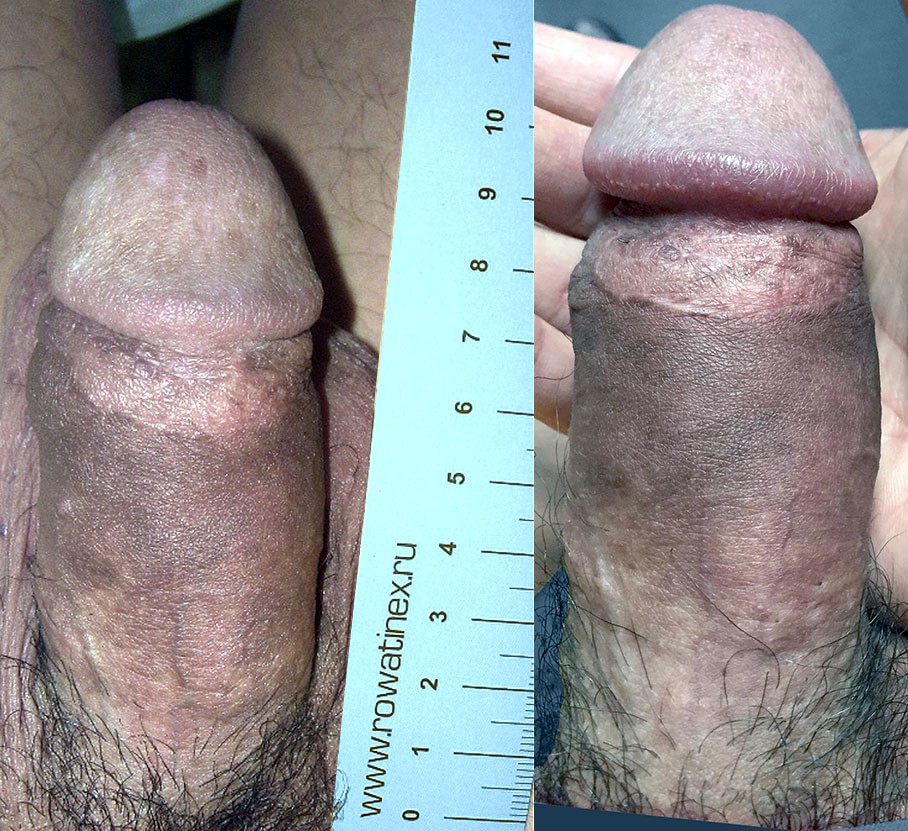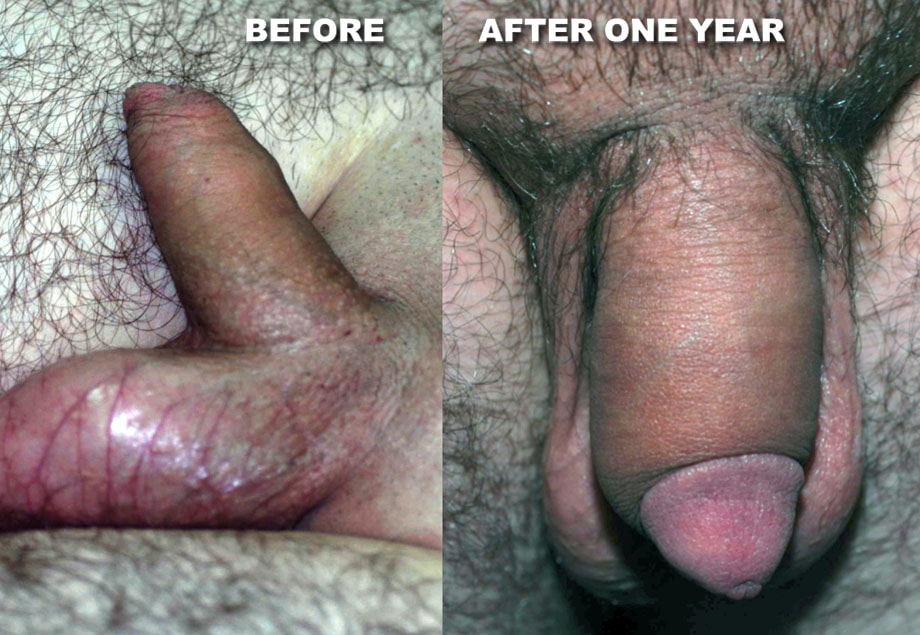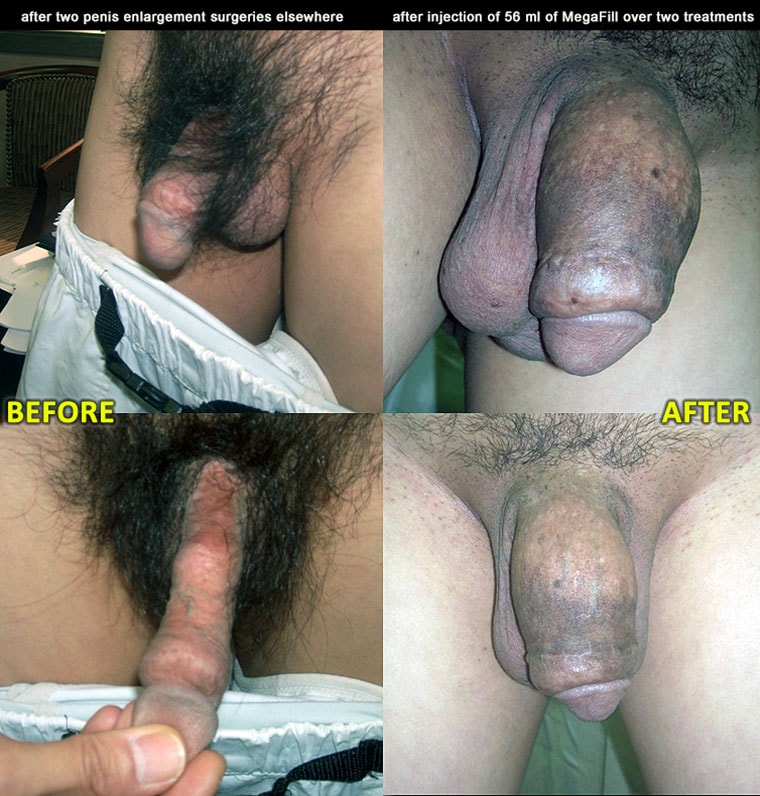
MegaFill is an injectable scaffold used for phalloplasty tissue engineering

What does the doctor recommend?

Why Dr Kim recommends MegaFill Phalloplasty

MegaFill is an injectable scaffold derived from donated human tissue and used in phalloplasty to support connective tissue growth. The scaffold and the body's regenerative response combine to increase penile girth in selected patients.

This approach leverages tissue engineering: the biologic scaffold orients cellular ingrowth and collagen deposition to produce a durable augmentation. Clinicians refer to the lasting effect as the product's “final cumulative gain.”
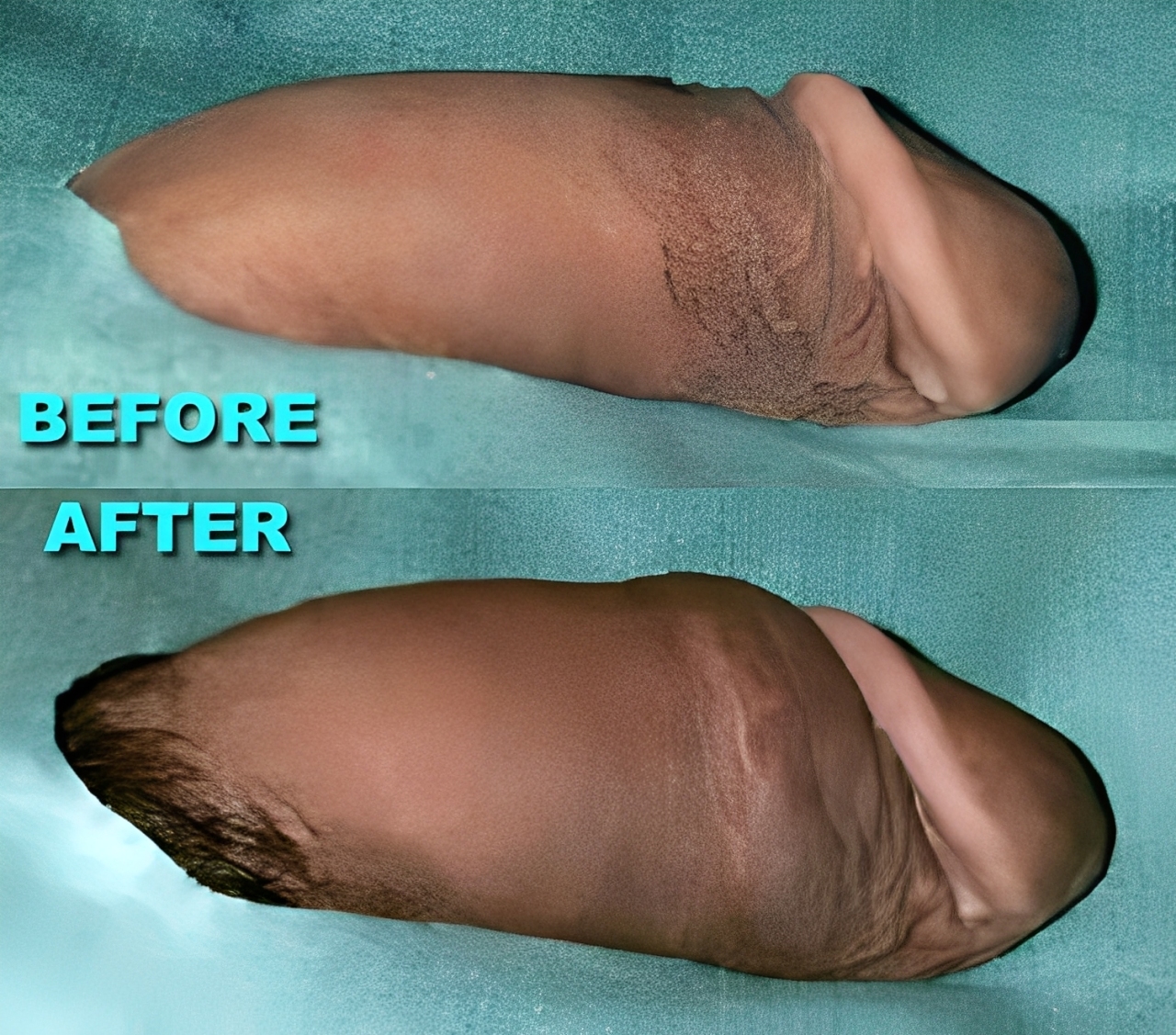
Dr Kim explains:

“Biologic-origin scaffolds can give space and time for collagen regeneration inside the human body. The structure is already made.”

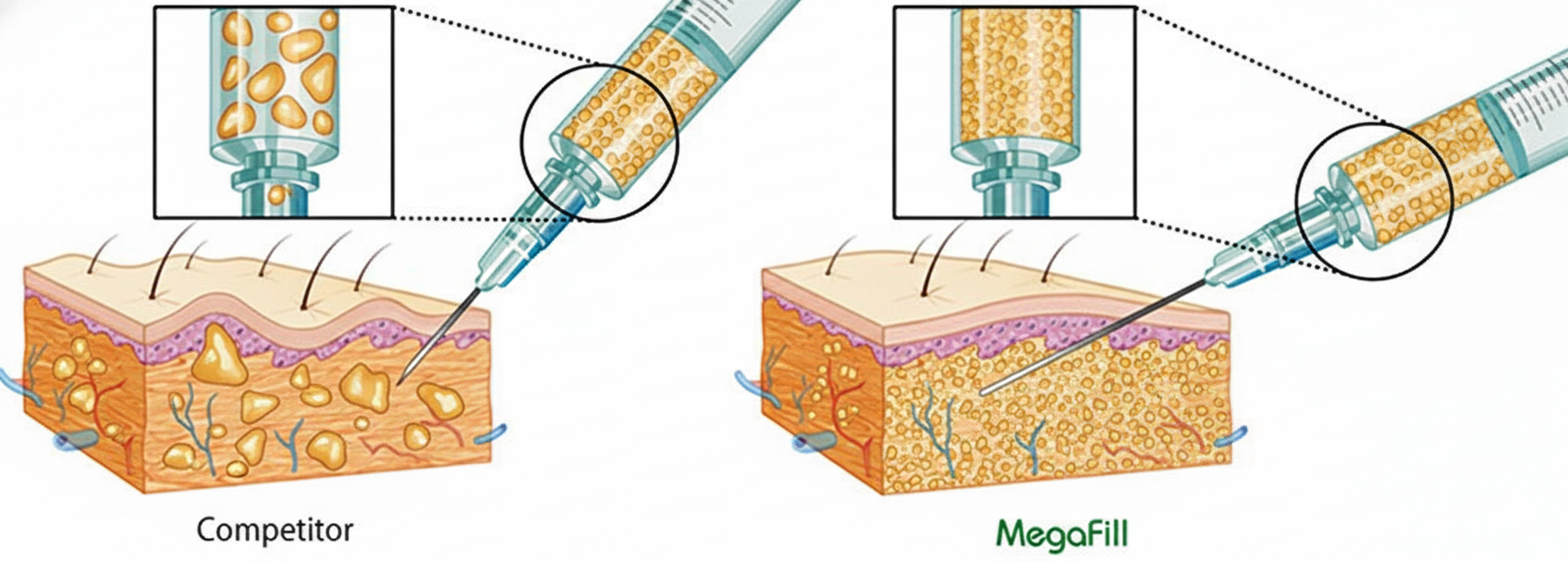
MegaFill particles are micronized (about 700–1,200 μm) so they can be injected through a needle lumen. After water is lost by the material, porosity decreases as new connective tissue forms.

MegaFill referenced here is legally available in South Korea and is KFDA approved. Different products with similar names may exist elsewhere but have different formulations and indications.

Do not assume equivalence between brands. Always verify the exact product, its regulatory status, and manufacturer instructions before clinical use.

How does MegaFill behave clinically?

What clinicians should know about MegaFill

Is MegaFill a drug?
No. MegaFill is a biologic scaffold allograft and not a pharmaceutical drug.
Can MegaFill evaporate, dissolve, or disappear?
No. It is designed to be durable; it does not simply evaporate or fully dissolve under normal conditions.
Can MegaFill be completely compressed or dematerialize?
MegaFill is not expected to collapse entirely or dematerialize when handled and injected correctly by a clinician.
Can MegaFill migrate through the circulatory system?
Properly placed MegaFill particles are unlikely to migrate systemically due to their particulate properties; surgeon technique and particle size are important controls.
Can MegaFill trigger hepatotoxicity or systemic organ toxicity?
There is no evidence associating MegaFill with hepatotoxicity when used as recommended; standard clinical vigilance and follow-up remain necessary.
Is MegaFill approved by regulatory bodies?
The product discussed here is described as allowed by both USFDA (in specific contexts) and KFDA for particular formulations—confirm the specific SKU and local regulatory status before use.
Can MegaFill trigger immune system rejection?
Processing steps such as cryopreservation, chemical treatment, and/or irradiation reduce antigenicity to a level intended to prevent immune rejection.
Can a patient move or displace MegaFill after injection?
Yes — reckless manipulation may move some or all of the material. Post-procedure care instructions should emphasize avoiding forceful handling.

Why does Dr Kim think MegaFill is safe?

MegaFill allograft safety considerations

Allograft tissue undergoes processing to remove antigenic elements. Typical processes include cryopreservation, chemical treatment, and irradiation, and two of these processes are commonly applied to MegaFill to reduce immune recognition.

  1. Cryopreservation
  2. Chemical treatment
  3. Irradiation

Dr Kim initially avoided injectable forms due to caution, but later reviewed clinical reports and now considers MegaFill a viable option for carefully selected patients.

Now, Dr Kim considers:

“MegaFill for phalloplasty by injection is the best penis enlargement option available — superior to HA & PLGA in selected cases.”

Multiple competitors exist, but formulation, particulate size, sterilization method, and manufacturer handling differ between products.

Not all injectable competitors use recycled human tissue from organ donor programs.

Manufacturer L&C Bio reports that MegaFill offers advantages such as reduced particle size for evenness and smaller nodules, and the ability to enable more detailed sculpting by the surgeon.

“E-beam sterilization kills bacteria while avoiding chemical residues and minimizing collagen damage compared to some other sterilization methods.”

Avoiding residues and preserving collagen structure support healthier tissue regrowth and lower inflammation risks.

L&C indicates higher dermis powder concentration per injected volume than some competitors.

Delivery and handling:

MegaFill is supplied in fixed doses (for example, 7 ml vials). Leftover product typically cannot be stored for later use and must be discarded in accordance with manufacturer guidelines.

Frequently Asked Questions

What is MegaFill?
MegaFill is an injectable allograft scaffold prepared from donated human tissue and intended to support connective tissue regeneration for augmentation.
Is MegaFill safe?
When used by experienced clinicians and with proper patient selection, MegaFill has a favorable biocompatibility profile due to processing that reduces antigenicity.
Will it disappear over time?
MegaFill is categorized among more durable scaffold materials; clinical descriptions emphasize lasting volume rather than rapid dissolution.
Where is MegaFill available?
The manufacturer supplies MegaFill in selected markets; the product discussed here is available and KFDA-approved in South Korea. Verify local approvals before use.
What should patients avoid after injection?
Patients should avoid forceful manipulation and follow post-procedure care instructions to reduce the risk of displacement and suboptimal outcomes.